Space Tourism: First Steps
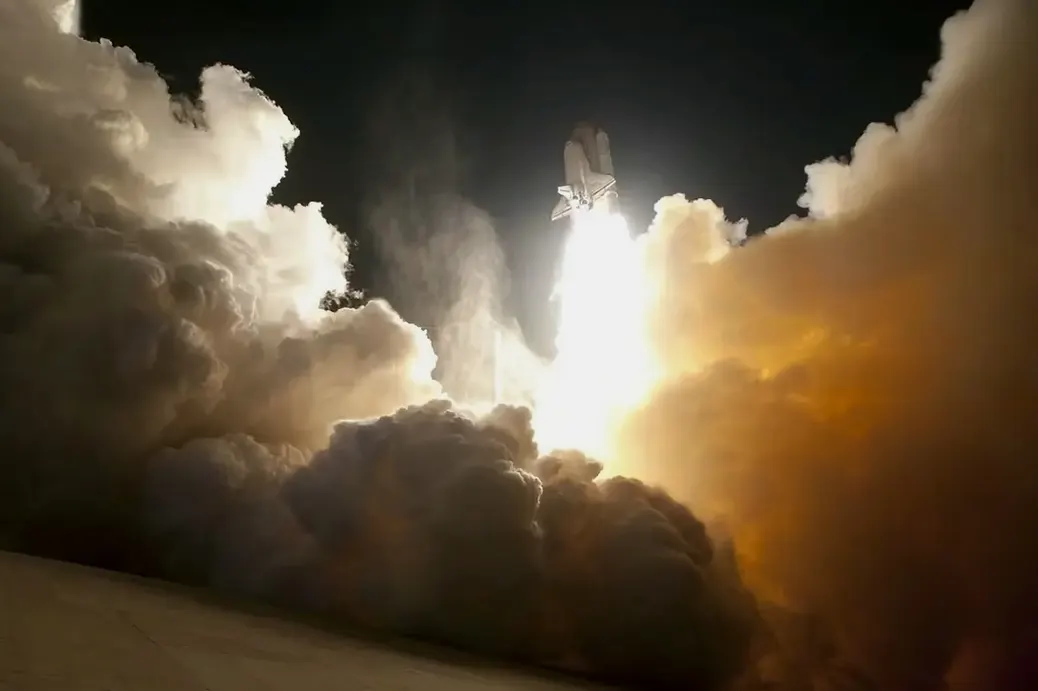
For decades, traveling to space belonged to science fiction and a few highly trained astronauts. Today the first private passengers have crossed the boundary of space, and a new kind of tourism is slowly taking shape.
What a space trip looks like
Most current offers are suborbital flights. The vehicle climbs to the edge of space, passengers float weightless for a few minutes and admire the curvature of the Earth against a black sky, then the craft returns to the ground. The whole experience lasts only a short time, but it requires days of preparation. A few orbital missions, lasting several days, have also carried private travelers, at a far higher price.
Preparing for the journey
Candidates go through medical checks and training. They learn how to handle acceleration forces, move in microgravity and follow safety procedures. Centrifuge sessions and parabolic flights, in which an aircraft creates short periods of weightlessness, help the body and mind adapt.
- Medical screening to confirm the body can handle strong acceleration
- Safety briefings on suits, seats and emergency procedures
- Weightlessness practice on parabolic flights
- Psychological preparation for confinement and intense sensations
Questions for the future
Space tourism raises real debates. Prices remain far beyond most budgets, and the environmental impact of launches is a growing concern. Regulations are still being written. Many people also see value elsewhere: space-themed training camps, observatories and parabolic flights already offer a taste of the experience to a wider public, while engineers work on making access to space safer and less costly.